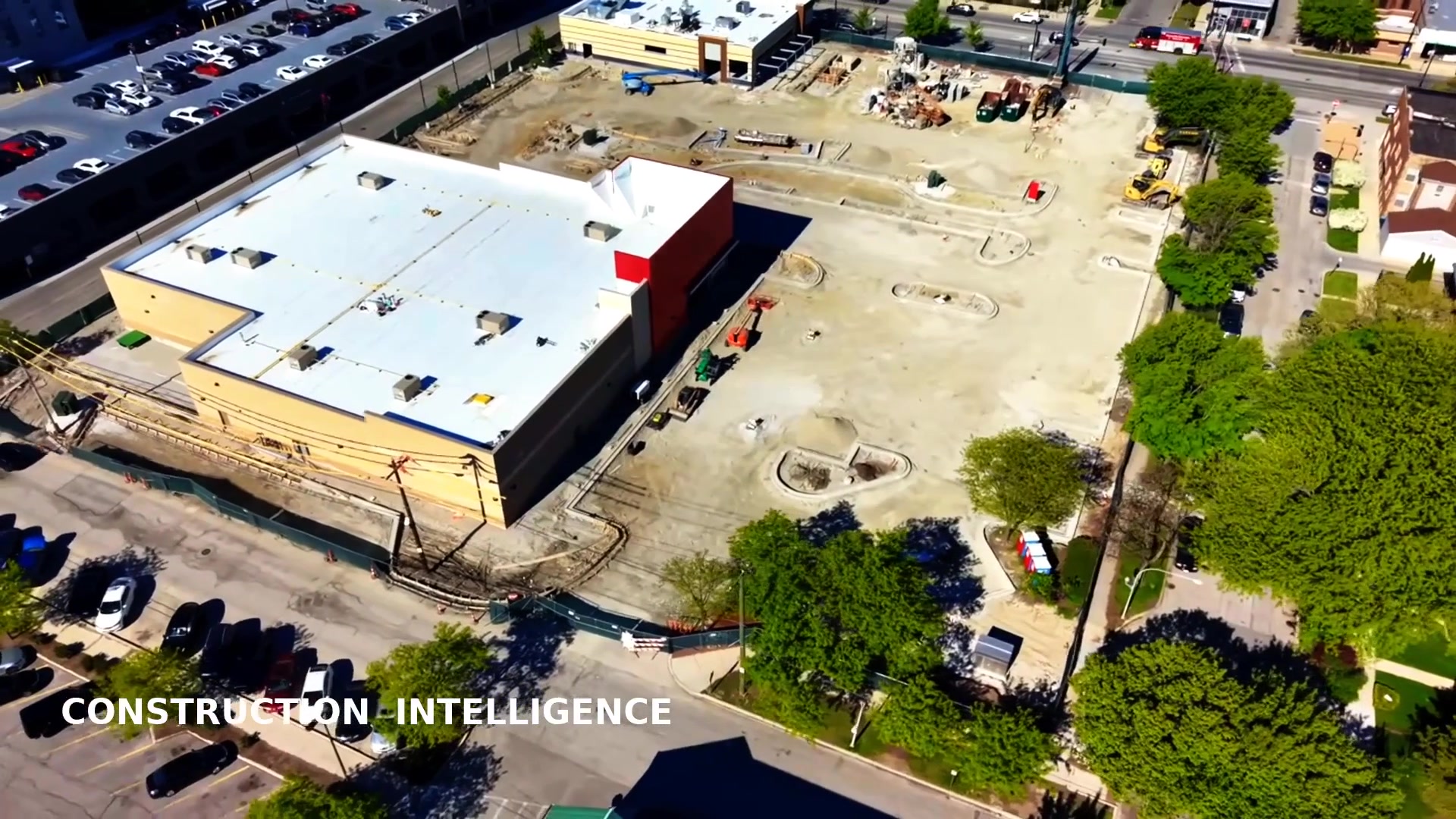
When a roof, facade, parapet, or tall structure needs eyes on it, Chicago property owners and facility managers usually weigh two paths: send a drone, or rent an aerial work platform — a boom lift, scissor lift, or scaffolding — and put a person up in the air. Both can produce a credible inspection, but they are very different in cost, safety, speed, and disruption. This page lays out an honest, side-by-side comparison so you can pick the right tool for your building.
The short version: for the majority of visual and thermal inspections on Chicagoland commercial buildings, warehouses, multifamily properties, and institutional campuses, a drone inspection is faster, safer, and less expensive. Lifts and scaffolding still have their place — but increasingly that place is the repair itself, not the diagnosis. Our thermal drone inspections often replace the first costly "let's get a lift up there and look" visit entirely.
At a Glance: Drone vs Lift Inspection
| Factor | Drone Inspection | Lift / Scaffold Inspection |
|---|---|---|
| Cost | One pilot, no equipment rental — usually lower total cost | Rental, delivery, operator, spotter, permits add up fast |
| Safety | Crew stays on the ground; no fall risk | Working at height; OSHA fall protection required |
| Speed | Most roofs/facades in under an hour of flight | Hours to days of setup and repositioning |
| Downtime | Little or none; business stays open | Lane/sidewalk closures, blocked access common |
| Access | Reaches steep, tall, or fragile areas easily | Limited by reach, ground stability, obstructions |
| Hands-on testing | Visual and thermal only | Allows physical probing, sampling, repairs |
Cost: Equipment Rental Adds Up Fast
A lift inspection is rarely just the price of the machine. By the time a boom or scissor lift is delivered to a Chicago job site, you are paying for the rental period, transport both ways, fuel or charging, a certified operator, and often a ground spotter for safety. If the lift has to work over a sidewalk or street downtown, you may also need permits, lane rentals, or off-hours scheduling. And you pay for all of it whether the machine is actively inspecting or sitting idle while crews reposition.
A drone inspection collapses most of that into a single FAA Part 107 pilot and a short flight window. There is no machine to rent, no delivery fee, and no idle equipment cost. For roofs, facades, parapets, towers, and other elevated surfaces, the total cost is almost always lower — and you get richer data in return. See why drones consistently win on cost across inspection work.
Safety: Keep People on the Ground
Working at height is one of the most dangerous activities on any job site. Aerial work platforms introduce fall hazards, tip-over risk on uneven ground, struck-by hazards, and — near rooftop equipment or power lines — electrocution risk. Each of those triggers OSHA fall-protection obligations: harnesses, guardrails, trained operators, and a rescue plan.
A drone inspection sidesteps all of it. The pilot and any observers stay safely on the ground while the aircraft does the climbing. For Chicago's older masonry buildings, steep church roofs, and industrial structures, that means nobody has to trust a fragile parapet or a temporary scaffold. Fewer people at height means fewer ways for something to go wrong, lower insurance exposure, and a cleaner safety record.
Speed and Downtime
Time is where the gap is most obvious. Mobilizing a lift around a building — positioning, leveling, raising, lowering, and moving to the next elevation — can eat a full day or more on a large Chicagoland facility. Scaffolding can take days just to erect and dismantle. During that time you may have blocked loading docks, closed lanes, or restricted tenant access.
A drone covers a typical roof or building face in well under an hour of flight time, then moves to the next elevation in minutes. There is nothing to close down, so your warehouse keeps shipping, your tenants keep parking, and your retail floor stays open. Most single-building inspections are wrapped up the same day, with the annotated report following shortly after.
Access: Reaching What Lifts Can't
Lifts are constrained by reach height, ground conditions, and obstructions. A boom can't always get over a setback roof, a courtyard, a body of water, or landscaping, and soft or sloped ground limits where it can safely deploy. Tall industrial stacks, steeples, and stadium structures can be flat-out unreachable.
A drone flies directly to the surface that matters, holds position, and captures high-resolution stills, 4K video, and radiometric thermal imagery from angles a lift operator could never safely achieve. For complex roofs, tall towers, and hard-to-reach facades around Chicago, that access advantage is decisive.
Data and Reporting
A person on a lift sees the surface with their eyes and maybe snaps a few photos. A drone inspection produces a consistent, repeatable dataset — overlapping high-resolution imagery, optional thermal layers that reveal trapped moisture and electrical hotspots, and a geo-tagged record you can compare visit over visit. We deliver an annotated report that marks every anomaly, ranks it by severity, and recommends a next action, so your roofer, engineer, or insurance adjuster knows exactly where to focus. Pair an inspection with our 3D modeling and digital twins when you need measurable documentation of an entire structure.
When a Lift Inspection Still Makes Sense
We won't pretend drones replace everything. A lift or scaffold is still the right call when an inspector must physically touch the surface — pulling a core sample, performing a hands-on adhesion or moisture probe, tapping masonry for delamination, or carrying out the actual repair. The smartest workflow often uses both: fly the drone first to find and prioritize problems across the whole building, then send a lift only to the specific spots that need hands-on work. That targeted approach saves money on rental hours and keeps crews off height except where it truly matters.
Bottom Line for Chicago Property Owners
For diagnosing roof, facade, and high-structure problems on Chicagoland buildings, a drone inspection wins on cost, safety, speed, and disruption in the large majority of cases. Lifts and scaffolding remain essential for hands-on testing and repairs, but they are an expensive and risky way to simply look. As a local, fully insured FAA Part 107 operator who knows O'Hare and Midway controlled airspace and downtown restrictions, we file LAANC authorizations in advance and keep your inspection compliant and on schedule. Learn more in our Drone Knowledge Center or about our full thermal inspection service.
Frequently Asked Questions
Is a drone inspection cheaper than renting a lift in Chicago?
In most cases yes. A boom or scissor lift rental, delivery, certified operator, and a spotter add up quickly, and you pay for the equipment whether it is moving or idle. A drone inspection captures the same surfaces in a fraction of the time with one FAA Part 107 pilot, so the total cost is usually lower for roofs, facades, and tall structures.
Are drone inspections as safe as lift inspections?
They are generally safer. Drone inspections keep workers on the ground and eliminate the fall, tip-over, and electrocution risks that come with aerial work platforms and scaffolding. That removes the OSHA fall-protection exposure and the need for harnesses, guardrails, and rescue plans tied to working at height.
When does a lift inspection still make sense?
Lifts and scaffolding still matter when an inspector must physically touch a surface, take core samples, perform a hands-on adhesion or moisture probe, or carry out the repair itself. Drones excel at fast, safe visual and thermal assessment and at deciding exactly where hands-on work is needed.
How long does a drone inspection take compared to a lift?
Setting up and repositioning a lift around a Chicago building can take hours or days. A drone covers a typical roof or facade in under an hour of flight time with no road closures, lane permits, or setup, so the whole job is usually finished the same day.
Do you need permits or street closures for a drone inspection?
Drone inspections usually avoid the street closures, sidewalk permits, and lane rentals that lifts often require downtown. In controlled airspace near O'Hare or Midway we file LAANC authorizations in advance so the flight is fully compliant without disrupting traffic.
Ready to Skip the Lift?
Get a faster, safer inspection of your Chicago roof, facade, or structure — without the rental cost or the road closures.
Request a Free QuoteOr call Dan Gierke, FAA Part 107 pilot, directly at 773-213-6859.